Fundraise & Get Involved

We need to raise more than £10 million every year to provide Hospice care and support for our local community. If you want to get involved, join one of our fundraising activities, create your own, or make a donation; everything you need is on this page.

Celebrating the history of Hospice in the Weald, together

patient with a nurse

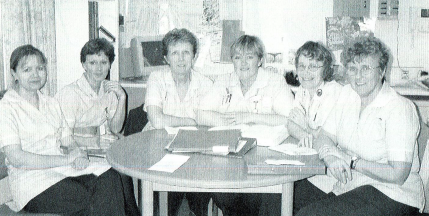
Hospice in the Weald is celebrating its history this Hospice Care Week and calling on the community to share their early memories, stories, and photos of the Hospice. 

For Hospice Care Week, which this year runs from October 5 to October 11, Hospice in the Weald is celebrating how staff and the community united to raise the funds needed to build the Hospice, and how that incredible community support has continued as it enters a new chapter with the reopening of the refurbished Pembury Hospice next year. 

Hospice in the Weald is inviting the community to contribute memories, photographs and personal experiences to help it create a comprehensive historical timeline that will showcase the extraordinary community support that led to the creation of the Hospice and how that support remains at the heart of the Hospice today.

Hospice in the Weald has been providing free care for adults with life-limiting and life-threatening conditions across Kent and East Sussex for more than four decades.

The modern-day hospice movement in the UK began when Dame Cicely Saunders founded St Christopher’s House in London in 1967. Her dedication to palliative care and research became the foundation of palliative care. In the late 1980s, driven by a desire for better local care, independent voluntary groups and charities across the country began to mobilise community support and fundraising to create local hospices. 

The Hospice started life as an innovative service created by local people to help those in the Tunbridge Wells area facing terminal illnesses and their families. Guided by Angela Walton, a highly respected director of nursing who worked closely with Dame Cicely Saunders, it was one of the hospice movement’s very first community-based teams. Known as Hospice at Home, the service helped pioneer a new model of care, delivering specialist support to people and families in their own homes. 

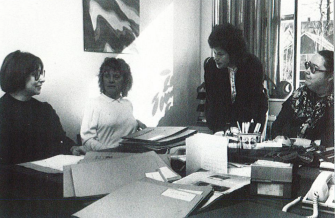
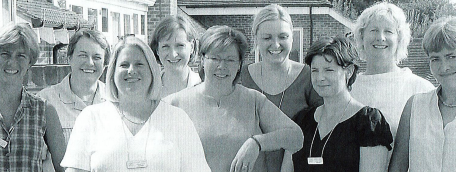
The first patients were referred to the Hospice in October 1980. The team consisted of three nursing sisters who would visit patients at their homes, a doctor on a part-time basis, and founder Joan Hartley who took on the role of secretary and administrator. 

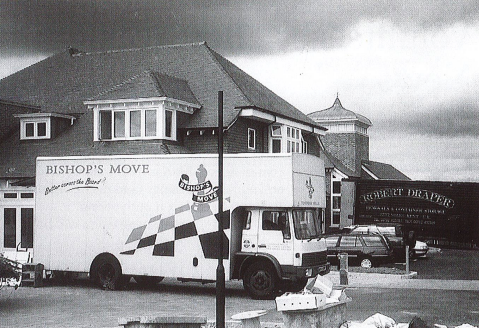
In 1994 The Allen Gardiner House, a ‘Hospice at Home’ day centre, opened on Pembury Road, Tunbridge Wells and the community was applauded for its “marvellous response” after contributing £13,000 towards the service. The following year Hospice at Home became Hospice in the Weald to reflect the developing service being offered and launched a £4.3 million fundraising appeal to build a hospice at Downingbury Farm, Pembury with day care facilities. At the time West Kent and East Sussex were the only areas in South East England where people with a terminal illness did not have access to inpatient hospice care.  

In a bid to help raise funds a Buy a Brick appeal was launched that gave residents the chance to pay £5 for a brick for the new hospice. In November 1998 the £4.3m fundraising target was reached thanks to the generosity of the community, and 2,500 members of the public took guided tours of the new hospice. The following month the inpatient ward opened its doors to the first inpatients.

In its first year the ward welcomed 191 patients and running costs were £1.5m. Today the Hospice provides free care and support for more than 2,000 people and needs to raise £10 million each year.

Some parts of the inpatient ward in the Pembury building have remained unchanged since it first opened back in 1998. Fast forward to today and the current refurbishment will see not only the ward, but all patient areas upgraded. Katie Greywood, Director of Income Generation at Hospice in the Weald, says: “Hospice in the Weald is dedicated to continuing its legacy and providing care for generations to come while listening to its patients, staff and the wider community who continue to shape it. 

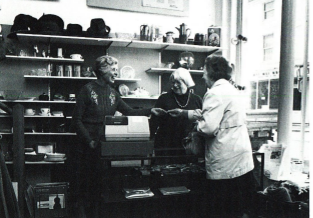
“Did you attend an early fundraising event? Do you remember the mobile shop? Did your company, school, or community group raise money for the Pembury building? Were you one of the 2,500 people that took a tour of the new hospice when it first opened, or did you buy a brick as part of the Buy a Brick appeal?  Were you one of our original members of staff or an early volunteer or do you know someone who was? Did Hospice in the Weald support one of your family members in those early years? If so, we’d love to hear from you.”  

Share your memories, photos and stories by emailing ourhistory@hospiceintheweald.org.uk, the deadline for submissions is Monday, November 30. 


Overview
Hospice in the Weald logo

This website uses cookies so that we can provide you with the best user experience possible. Cookie information is stored in your browser and performs functions such as recognising you when you return to our website and helping our team to understand which sections of the website you find most interesting and useful. You can adjust your preferences below.

Essential Cookies

Essential Cookies are enabled at all times so that we can save your preferences for cookie settings. These cookies do not collect any personal or sensitive information or IP addresses. Furthermore, the information they store is not sent to any 3rd parties.

Tracking Cookies

This website uses third party cookies such as Google Analytics and Facebook Pixel to collect anonymous information, for example the number of visitors to the site, and the most popular pages. Keeping this cookie enabled helps us to improve our website.